Precision Digging for Structural Stability
Foundation Excavation in Bevier for basements, residential foundations, and new construction projects
Foundation excavation determines whether a structure sits on stable ground or develops cracks and settlement issues within the first few years. McDowell Excavating digs residential foundations and basements with careful attention to depth accuracy, wall clearances, and soil stability throughout Bevier and surrounding areas. Contractors and property owners working on new construction or home improvement projects need excavation that matches foundation plans exactly and creates conditions where concrete cures properly without shifting or cracking.
The excavation process involves digging to specified depths, maintaining straight walls or proper slopes depending on foundation type, and removing unstable soil that could compromise structural integrity. Precision during this phase prevents costly corrections after concrete forms go in and ensures footings rest on solid, undisturbed earth.
Request a detailed estimate based on your foundation plans and site conditions before excavation begins.
What Happens During Foundation Digging
Excavation starts with marking foundation corners and verifying dimensions against building plans, then removing soil in layers to reach specified footing depths while maintaining wall stability and preventing cave-ins. Operators check elevations throughout the dig to ensure footings will sit level and at consistent depths, which matters because uneven footings cause structural stress and cracking as the building settles.
Once digging finishes, you see clean excavation walls at the correct depth, level footing trenches ready for concrete placement, and stable soil conditions that will not shift when forms and rebar get installed. The site remains accessible for concrete trucks and construction crews without soft spots or unstable edges that create safety hazards.
Foundation excavation also includes managing groundwater if present, removing rocks or debris that interfere with footing placement, and grading areas around the excavation for drainage. The work supports both full basement installations and crawl space foundations depending on project requirements.
What Contractors and Homeowners Ask
Questions about foundation excavation often focus on timing, site-specific challenges, and coordination with other construction phases.
What depth accuracy matters for residential foundation excavation?
Footing depths must stay within one to two inches of specified elevations because deeper sections waste concrete and shallower areas reduce load-bearing capacity, especially in freeze-thaw climates where footings need to sit below frost lines.
How does excavation change for basements versus crawl spaces?
Basement excavation removes significantly more soil and requires stable walls for the full height of the foundation, while crawl space digging focuses on footing trenches and perimeter walls with less overall depth.
When should foundation excavation happen during construction schedules?
Digging should occur shortly before concrete work so that excavated walls remain stable and weather does not erode slopes or fill the site with water that delays foundation installation.
What soil conditions require extra steps during foundation digging in Bevier?
Soft or saturated soils may need removal and replacement with compacted fill, while rocky ground requires careful excavation to avoid damaging equipment or creating uneven footing surfaces.
Why do excavation walls need to stay stable during foundation work?
Collapsing walls create safety hazards for workers, damage forms and rebar, and introduce loose soil under footings that causes settling after the building is completed.
McDowell Excavating works with contractors and property owners during construction phases to coordinate excavation timing and site access. Arrange a consultation to review your foundation plans and discuss excavation requirements for your building project.
Foundation Excavation Services in North-Central Missouri
A strong foundation starts with properly prepared ground. McDowell Excavating provides foundation excavation services for residential, agricultural, and commercial construction projects throughout North-Central Missouri. From excavating residential basements to preparing building pads and larger commercial foundation sites, our excavation work helps create the properly graded and prepared space needed for the next stage of construction.
Foundation excavation is more than simply digging a hole. The excavation needs to account for the building plans, required dimensions, existing grades, soil conditions, drainage, access, and the type of foundation being constructed. Proper planning and sequencing at this stage can help keep the rest of the construction project moving efficiently.
Residential Basement Excavation
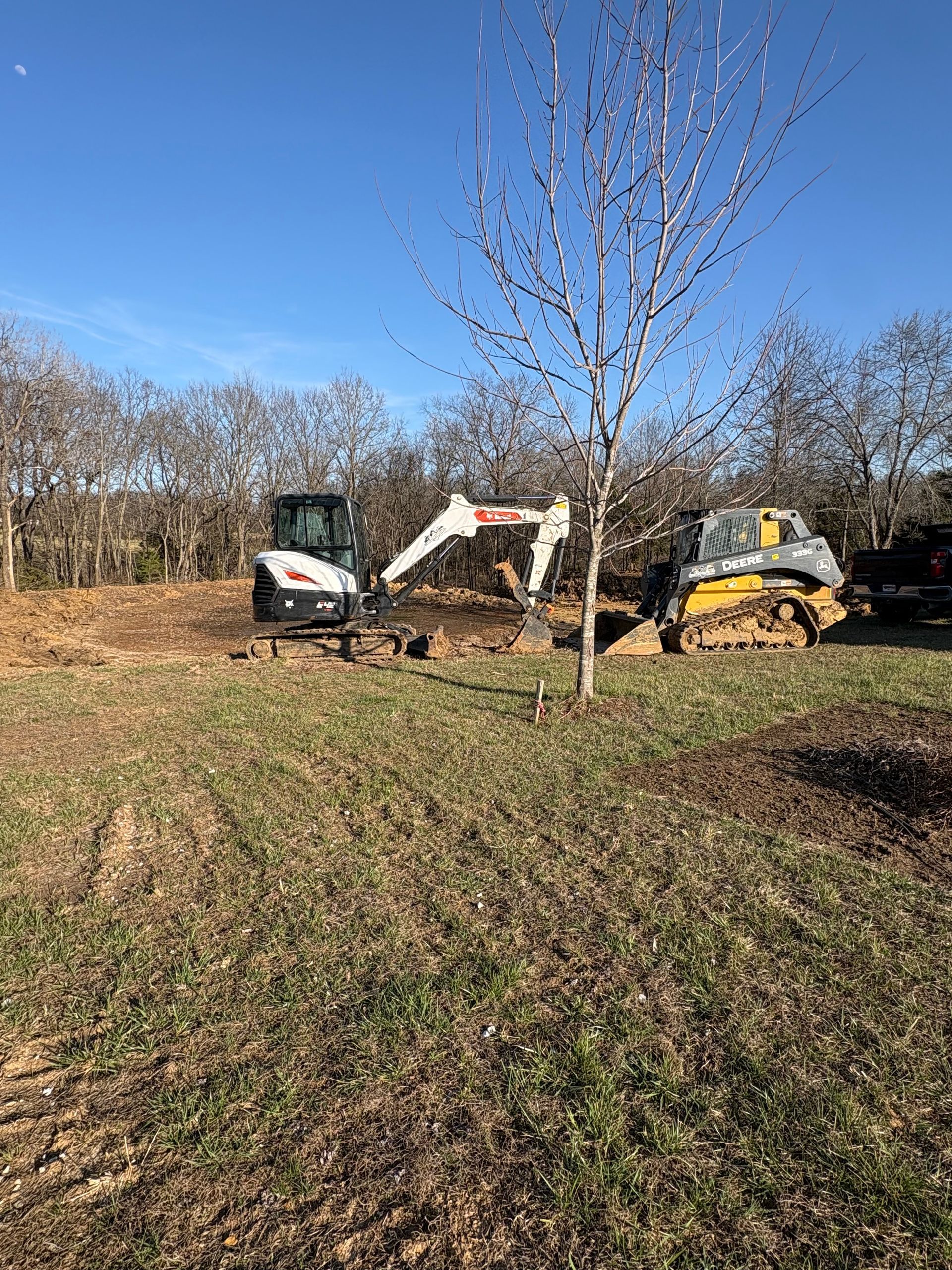
For new homes with basements, foundation excavation establishes the footprint and depth needed for the basement and foundation walls. The excavation must follow the building plans and account for the property's existing elevation and terrain.
On rural properties throughout North-Central Missouri, every site can present different conditions. Sloped ground, changing elevations, soil composition, existing drainage patterns, and access to the building site can all affect how excavation should be approached. McDowell Excavating works directly on the site to excavate the area needed for residential basement construction while taking the existing property conditions into consideration.
Building Pad Preparation and Excavation
Not every building project requires a basement. Homes, shops, garages, pole barns, agricultural buildings, and other structures may require a properly graded and prepared building pad instead.
Building pad preparation creates a suitable area for the structure and establishes the necessary elevations before construction begins. Depending on the property, this may involve clearing, cutting and filling, grading, excavation, and addressing drainage concerns.
For projects that require significant site preparation before foundation excavation, our Site Preparation services can help establish the appropriate starting point for the foundation work.
Commercial Foundation Excavation
Commercial construction projects can require substantially larger excavation areas and more extensive site preparation than a typical residential project. McDowell Excavating provides excavation for commercial foundations and other larger construction projects, helping prepare the site according to the project's plans and requirements.
Commercial foundation excavation requires attention to site access, elevations, excavation dimensions, surrounding grades, and the sequence of work needed to keep construction progressing. Proper coordination at the excavation stage helps provide the construction team with a workable foundation area before concrete and other phases begin.
North-Central Missouri Soil and Site Considerations
Excavation conditions can vary significantly from one property to another throughout North-Central Missouri. Existing terrain, soil composition, moisture, drainage, elevation changes, vegetation, and previous land use can all influence how a foundation excavation project needs to be approached.
Rural construction sites may also have challenges involving access, uneven terrain, existing driveways, drainage paths, or undeveloped ground. Evaluating these conditions before excavation begins helps determine the appropriate approach for preparing the foundation area.
Because foundation excavation establishes the physical space where the structure will be built, it is important to address site conditions before the excavation begins rather than discovering problems after construction is already underway.
Why Excavation Sequencing Matters
Foundation excavation is one part of a larger construction sequence. Site preparation, grading, excavation, foundation construction, backfilling, and subsequent building work all depend on the work being performed in the appropriate order.
The excavation needs to be completed to the required dimensions and elevations before the foundation contractor can proceed. If the site is not properly prepared or the excavation is not completed according to the project requirements, it can create delays or additional work later in the construction process.
McDowell Excavating approaches foundation excavation as part of the overall construction workflow. The goal is to prepare the site correctly so the next contractor or construction phase has a properly excavated and workable foundation area.
The Owner-Operated Advantage
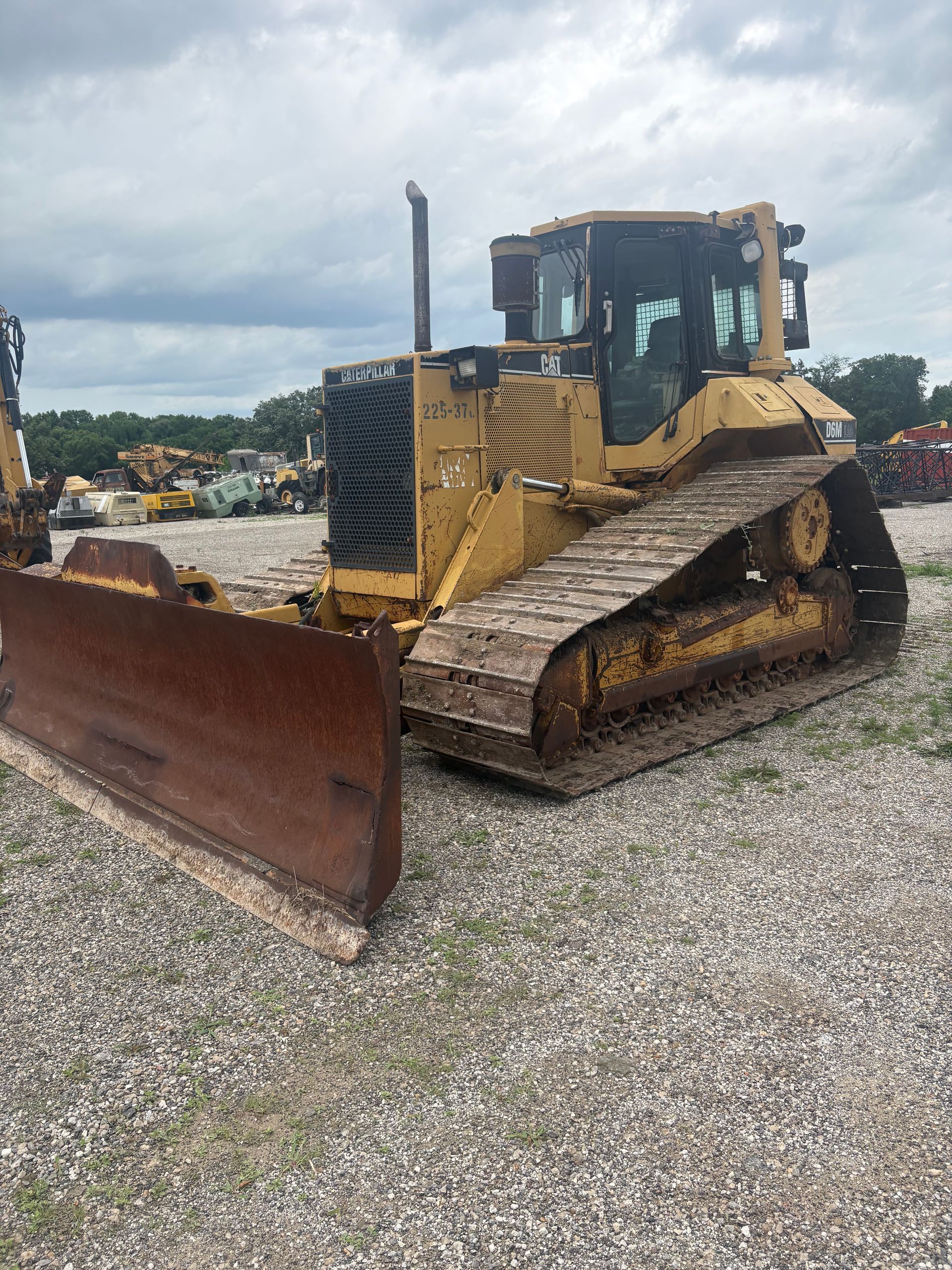
McDowell Excavating is an owner-operated excavation company, giving customers a direct point of contact for their excavation project. Instead of being passed between multiple layers of management or relying on subcontractors to perform the excavation, customers work directly with the owner.
That means one contact, direct communication, and a direct bid for the excavation work. The owner-operated approach also means the person discussing the scope of the project is directly involved in the work rather than simply coordinating an outside subcontractor.
For property owners planning a new home, building pad, agricultural structure, or commercial project, that direct relationship can make it easier to discuss site conditions, excavation requirements, access, grading, and the construction schedule from the beginning.
Foundation Excavation in Macon, Chillicothe, Brookfield & Surrounding Areas
McDowell Excavating provides foundation excavation services in Macon, Chillicothe, Brookfield, Trenton, and surrounding North-Central Missouri communities. Whether you are building a new home with a basement, preparing a building pad for a shop or pole barn, or developing a larger commercial property, proper excavation is an important first step.
From the initial site conditions to the final excavation, McDowell Excavating provides hands-on, owner-operated excavation services designed to prepare your property for the foundation and construction work that follows.